
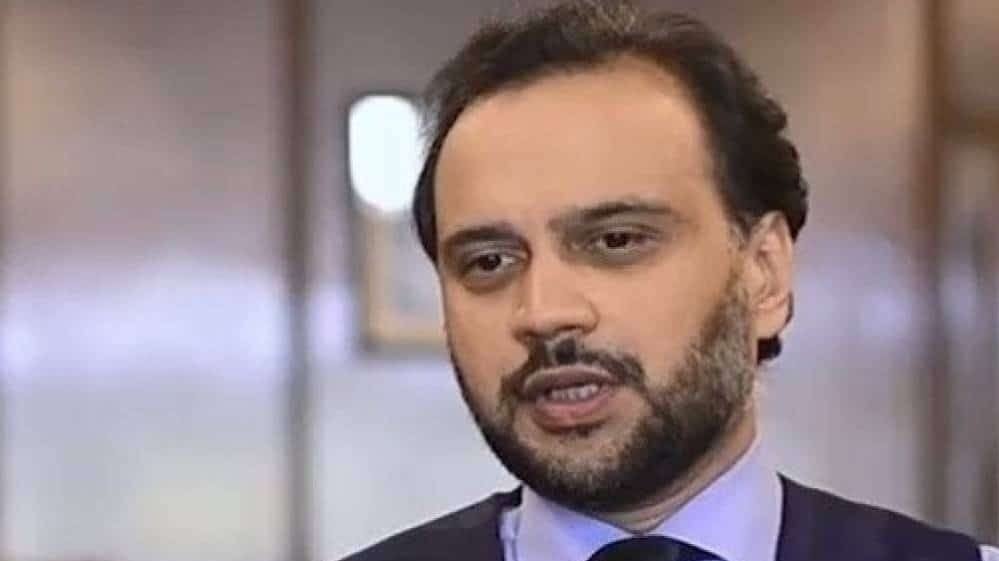
Pakistan’s economic model is no longer sustainable, unable to grow beyond 4 percent without incurring significant risks. The economy faces a critical trade-off between growth and external stability, according to ex-deputy governor State Bank of Pakistan Murtaza Syed.
“We are forced to choose between growth & external stability. Can’t have both together anymore,” he said in a long thread on X.
There are 5 basic and problematic macro relationships underpinning the way the Pakistan economy is currently wired. They explain why Pakistan can no longer have growth without rising public debt, unsustainable current account deficits and foreign exchange reserve depletion. They also explain why the Rupee has become so volatile and inflation so hard to control, Murtaza explained.
“It’s a bit of Econ 101 but you’re going to want to sit down for this one. The first problematic relationship is between fiscal policy and growth. Whenever the budget is loose, growth picks up. Whenever it is tight, growth falters. We have become a one-trick pony economy that relies on loose budgets and debt-fueled growth,” he said.
The second problematic relationship is between our growth and imports. The former SBP deputy chief said, “Because we have a model of growth more driven by consumption than almost any other country in the world, whenever growth picks up, our import bill quickly rises”.
The third problematic relationship is between our growth and external pressures.
Because of Pakistan’s import-heavy model, the current account deficit can only be kept to a prudent level of 1-1.5 percent of GDP (around $5-7 billion a year) that the country can safely finance by keeping growth below 4 percent.
“Similarly, for our foreign exchange reserves to be above the global minimum standard of 3 months of imports, again our growth cannot exceed 4% given the external financing that we are able to safely get. This is a very low growth number for a poor country like Pakistan,” Murtaza wrote.
The fourth problematic relationship is between the current account and the Rupee.
He said that given the limited external financing, whenever the current account deficit exceeds $500 million per month, the Rupee comes under significant depreciation pressures. It is stable only below this level.
And the fifth problematic relationship is between the Rupee and inflation.
Murtaza said, “Because so many of our consumption items are imported rather than produced at home, Rupee depreciation quickly leads to a surge in inflation in Pakistan”.
When the Rupee is more stable, inflation falls.
For the economy to remain sustainable, the latest IMF Report requires it to grow at 5 percent every year while keeping a tight fiscal policy and the current account deficit at no more than $5-7 billion.
“This is an impossible combination, as seen above. We shouldn’t pretend it will work,” he argued.
To undo the 5 relationships hardwired into the economic model and become a more normal economy again, Pakistan needs major structural reform aimed at:
Of course, all of these will require structural reforms and careful planning, Murtaza concluded.
About the Author
Written by the expert legal team at Javid Law Associates. Our team specializes in corporate law, tax compliance, and business registration services across Pakistan.
Verified Professional
25+ Years Experience