
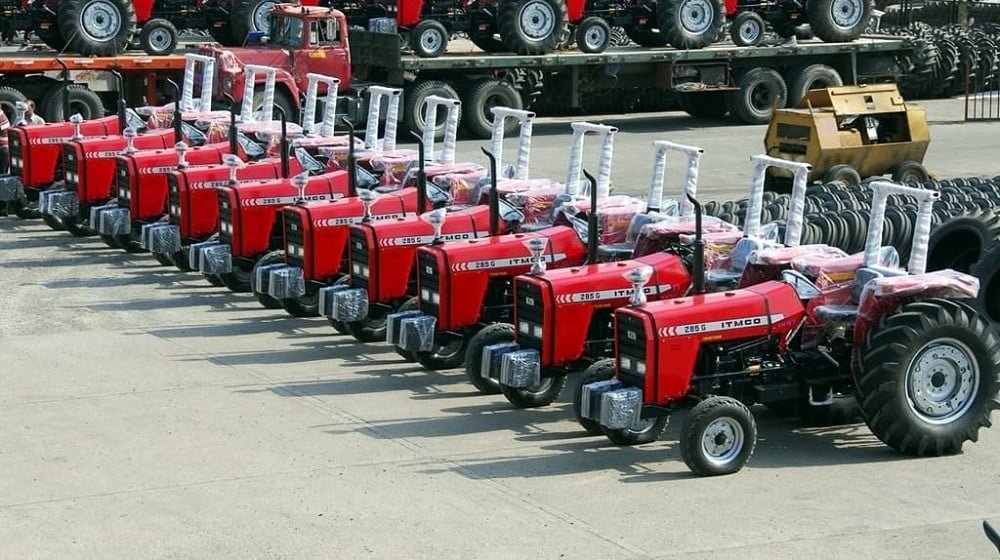
The tractor industry in Pakistan is teetering on the edge of collapse following the recent imposition of a 10 percent sales tax.
Pakistan’s tractor industry faces an unprecedented crisis that could lead to its complete shutdown, potentially affecting the livelihoods of 500,000 families and affecting approximately 200,000 workers and individuals directly employed within the industry, according to the statement issued by the tractor manufacturers.
For the past seven decades, the tractor industry has grown alongside Pakistan, supporting a local vendor base of more than 200 parts manufacturers. The industry has provided jobs and contributed significantly to the national economy, generating over $50 million in exports annually. The tractors produced are recognized globally for their affordability and quality, saving valuable foreign exchange and contributing millions of rupees to the National Exchequer annually.
The crisis began with the implementation a 10 percent sales tax on tractors in June 2024. Previously exempt from sales tax, the industry now faces the burden of entering a refund regime plagued by delays and complications. The Pakistan Association of Automotive Parts and Accessories Manufacturers (PAAPAM) has raised alarms, announcing that the industry is on the brink of a complete shutdown due to the prolonged delay in releasing General Sales Tax (GST) refunds by the Federal Board of Revenue (FBR) and the implementation of a new GST regime under Statutory Regulatory Order (SRO) 563.
According to PAAPAM, nearly 250 direct suppliers to the country’s major tractor assemblers, have already ceased operations due to delayed payments for parts supplied. Primary the issue is Statutory Regulatory Order (SRO) 563, which governs GST refunds to tractor assemblers. This new regulation, replacing the previous SRO 363, has introduced complications by limiting refunds to farmer buyers only.
The lack of a mechanism to distinguish between farmer and non-farmer buyers has resulted in billions of rupees in refunds being withheld by the Federal Board of Revenue (FBR).
The industry is further burdened by legacy refunds under SRO 363, which have remained unpaid since April 2020, amounting to more than Rs. 10 billion. The unresolved issue has left the entire industry in limbo, with assemblers incurring losses on each tractor sold and relying on bank borrowings to stay afloat. This financial strain has rippled across the supply chain, affecting raw material suppliers and small and medium-sized enterprises (SMEs) in the engineering sector.
It appears that the FBR has more powers than the government itself, holding the entire engineering base of the country hostage. The situation is dire as GST refunds have been withheld from tractor assemblers for years, and SRO 563 has further complicated matters.
The potential shutdown of this industry could have far-reaching consequences for Pakistan’s agricultural sector, which contributes around 23 percent to the GDP and employs 37.4 percent of the national labor force. With about 70 percent of Pakistan’s exports directly or indirectly derived from agriculture, the impact on the national economy could be severe. Any disruption in this industry could have far-reaching consequences, affecting not only the economy but also the food security of the country.
With the livelihoods of half a million families at stake, the situation demands urgent attention from the government. The industry is calling for a swift and efficient refund process to ensure the intended benefits of reduced tax can be passed on fully to the farmers, stabilizing the industry and preventing a complete shutdown.
About the Author
Written by the expert legal team at Javid Law Associates. Our team specializes in corporate law, tax compliance, and business registration services across Pakistan.
Verified Professional
25+ Years Experience