
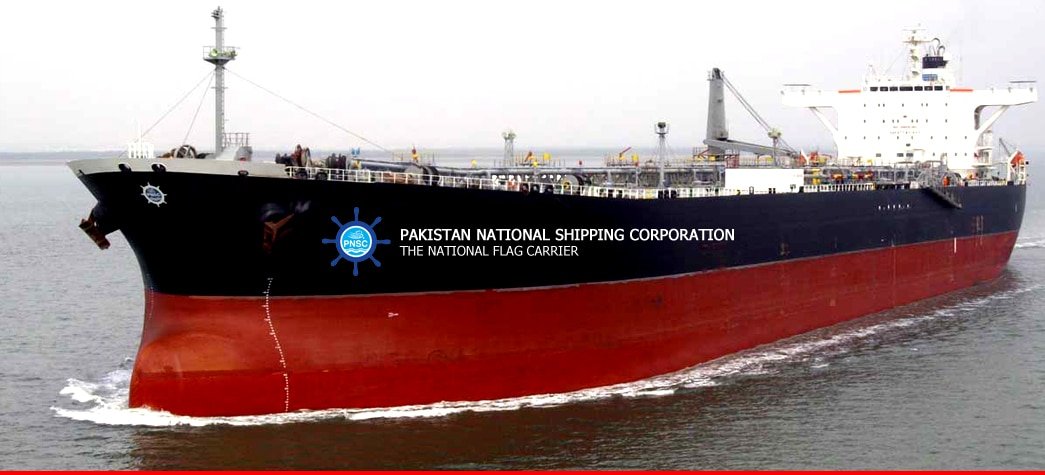
Pakistan National Shipping Corporation (PNSC) is pursuing the acquisition of new Aframax ships to enhance its maritime capabilities, according to a report by JS Global shared with ProPakistani.
As a leading player in maritime transportation, PNSC caters to the country’s diverse shipping needs. In a corporate briefing, the company discussed its financial performance for FY24 and outlined its future outlook.
During FY24, PNSC posted a consolidated topline of Rs. 46 billion, reflecting a year-on-year (YoY) decline of 15 percent, primarily due to a 48 percent YoY drop in the dry cargo segment attributed to reduced average charter rates. Slot charter operations fell by 33 percent YoY as government consignments declined, with no business received from the Trading Corporation of Pakistan (TCP), which had contributed approximately Rs. 2.8 billion during the previous fiscal year. Despite these challenges, revenue from the liquid cargo segment remained stable at Rs. 40 billion.
Other income declined by 17 percent YoY, impacted by the absence of gains from vessel disposals (approximately Rs. 3.3 billion in FY23) and a lack of exchange gains amid a stable currency. Management, however, anticipates improved demand in the current year, supported by the dry bulk segment and new break-bulk orders from the government.
PNSC plans to replace four of its five Aframax vessels, which are 18–19 years old. International tenders have been floated, with bids received from the UK, China, and other shipyards. Contract finalization is expected by the end of CY24. Under the State-Owned Enterprises Act 2023, PNSC is now permitted to formulate its procurement policies in line with international shipping industry practices, pending federal cabinet approval.
The new vessels will comply with the International Maritime Organization’s emission reduction targets, including a 20 percent reduction by 2030, 70 percent by 2040, and net-zero emissions by 2050. These tankers will feature internally coated tanks, enabling them to carry both dirty and clean liquids, thus enhancing market acceptance.
PNSC plans to finance the purchase using a mix of equity and debt, with 80 percent of the transaction cost expected to be debt-financed. The cost of brand-new or under-construction Aframax tankers, with signed contracts for early delivery, is estimated at $85 million each, while new-built contracts range from $73 million to $75 million. Regulatory requirements preclude the acquisition of vessels older than five years. Currently, used Aframax vessels are priced at around $12 million, with a scrap value of $7–10 million.
The company also aims to sustain its dry dock operations, with five vessels scheduled for maintenance. One tanker vessel will be out of operation for 40–45 days, while four dry bulk vessels will undergo dry docking for 25–35 days.
The current fleet includes Aframax vessels that are 18–19 years old, LR-1s aged 12 years, and dry bulk carriers aged 16–17 years. Charter rates stand at $30,000–$35,000 per day for Aframax tankers, $10,000–11,000 per ton/day for LR-1s, and $11,000 per day for bulk carriers.
The outlook for Aframax operations remains positive, driven by steady demand for refinery product cargoes. The dry bulk segment has exceeded budgeted targets supported by record exports of iron ore, coal, and minor bulk commodities. Tanker demand is expected to grow, aided by limited tonnage supply, which is anticipated to create favorable freight market conditions over the next three years.
Additionally, PNSC is in talks with a Chinese company involved in the Reko Diq mining project.
About the Author
Written by the expert legal team at Javid Law Associates. Our team specializes in corporate law, tax compliance, and business registration services across Pakistan.
Verified Professional
25+ Years Experience