
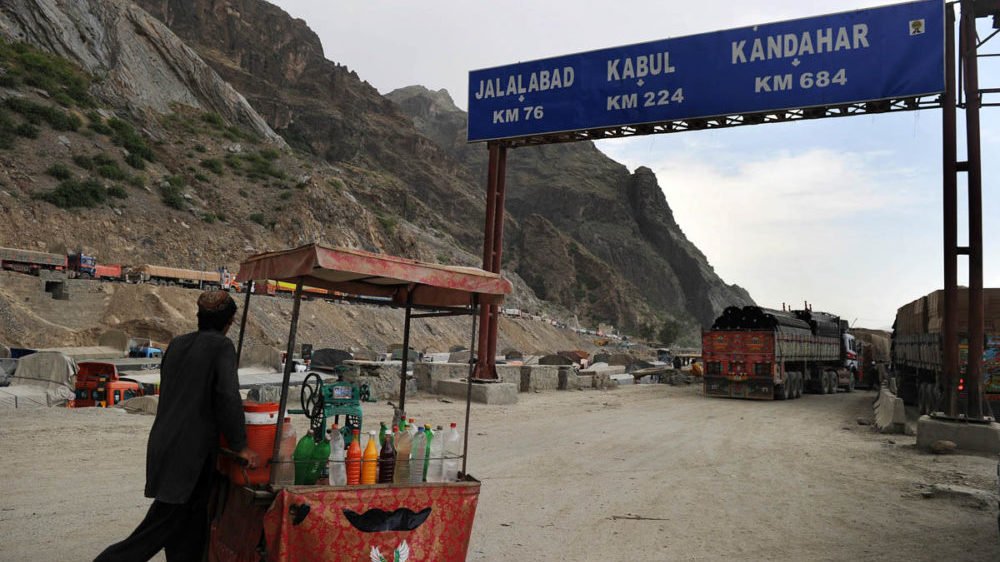
The month-long closure of the Torkham border crossing has resulted in cumulative losses exceeding $4.5 billion in trade and an additional Rs. 16.5 billion in lost exports and imports between Pakistan and Afghanistan, according to a report by Dawn.
Citing official and trading sources, Dawn reports that Pakistan has already lost more than 65 percent of its share in the Afghan market to Iran, Central Asian states, Turkiye, and even India, largely due to security-driven trade policies since the Taliban took power in Kabul in August 2021.
Repeated border closures and a hostile environment for traders have forced major Pakistani and Afghan exporters to withdraw capital from cross-border trade. The latest month-long shutdown has further shaken the confidence of the remaining small traders, the report notes.
The ongoing uncertainty has also severely impacted local manufacturing in Khyber Pakhtunkhwa, as well as the production of hundreds of daily-use items in Punjab and Sindh that were previously exported to Afghanistan.
Key exports affected include cement, garments, shoes, vegetables, fruits, poultry, animal feed, and confectionery. The closure has particularly hit potato and banana exports, and the kinnow export season is also at risk if the situation persists.
Qari Nazeem Gul, an exporter and clearing agent, told the English daily that even before the latest tensions, Afghan markets in Kabul and Jalalabad were already dominated by Iranian, Turkish, and Central Asian products, with Iran capturing the largest share due to easier visa and customs processes.
He added that Afghan traders now prefer doing business with Iran over Pakistan, as Iran offers more relaxed trade conditions.
Mujeebullah Shinwari, head of the Torkham customs clearing agents association, echoed these concerns, urging the government to adopt a trader-friendly policy and separate trade from security and political issues. He noted that Pakistan’s annual trade volume with Afghanistan has plummeted from $2.5 billion (2012–2016) to just $800–900 million.
Shinwari highlighted that daily container traffic has dropped from 1,000–1,200 to just 250–300, and the suspension of trade is also hurting tax revenues. The prolonged closure has left many small traders, businessmen, and transporters struggling to recover from financial losses, with some considering leaving the sector altogether.
He suggested forming a powerful jirga of tribal elders, politicians, and traders to negotiate with officials from both countries for a mutually agreed reopening of border points.
About the Author
Written by the expert legal team at Javid Law Associates. Our team specializes in corporate law, tax compliance, and business registration services across Pakistan.
Verified Professional
25+ Years Experience